Imagine walking into a living room that feels like a breath of fresh air—clean lines, muted colors, and a sense of calm that makes you want to stay awhile. Now, picture a charming hamper that complements this serene vibe, holding fresh fruit, artisanal bread, or a simple bouquet. Choosing the right hamper for a minimalist interior isn’t just about picking a container; it’s about curating an experience that feels both functional and elegant. In this guide, we’ll walk through the key considerations, sprinkle in a dash of humor, and answer the burning question: how to choose a hamper that fits a minimalist interior?
The Essence of Minimalist Design
What Makes a Space Minimalist?
A minimalist interior is built on the principle of “less is more.” It emphasizes clean lines, neutral palettes, and purposeful furnishings. Every piece should serve a function while adding visual harmony. When you introduce a hamper https://pastelink.net/y90sts9o into such a space, it must echo these values—simple, uncluttered, and timeless.
Why the Hamper Matters
A hamper is more than a container; it’s a focal point that can anchor a room’s aesthetic. Think of it as the “anchor” in a sea of decor—something that holds together the room’s visual narrative. If it clashes with the minimalist ethos, it can feel like a rogue wave, disrupting the calm.
Size and Scale: The First Rule of Thumb
Match the Hamper to the Space
When you ask, “how to choose a hamper that fits a minimalist interior?” the first answer is all about proportion. A hamper that is too large can dominate a small room, while a tiny one can feel lost in a grand hallway.
- Measure the area where the hamper will sit. Choose a size that occupies about 20–30% of the floor space. Avoid oversized designs that look like a floating island.
A Quick Anecdote
Last week, a friend tried to fit a giant, ornate wooden hamper into her 10‑square‑meter studio. The hamper ended up taking up half the room, leaving little room for her couch or even a single plant. Moral of the story? Size matters—and so does a good sense of proportion.
Material Matters: Keeping It Clean and Simple
Natural Materials for a Natural Look
Wood, wicker, and linen are the go-to materials for minimalist hampers. They bring texture without visual noise.
- Wood: Light oak or reclaimed pine for warmth. Wicker: Offers a subtle, woven texture that’s airy. Linen: Soft, breathable, and perfect for a lightweight feel.
Avoiding Over-Embroidery
A hamper with excessive embellishments—think sequins or ornate metalwork—can feel like a “cluttered” statement piece in a minimalist setting. Stick to clean edges and subtle detailing.
Color Palette: Neutral is Not Boring
The Power of White and Off‑White
White hampers can create a “blank canvas” effect, letting the items inside become the focal point. Off‑whites, creams, and light greys also work beautifully.
Subtle Accents
If you want a touch of color, consider a single, muted accent—like a pastel linen cover or a small brass handle. This keeps the overall look Candles understated.
Functionality: More Than Just a Pretty Face
Practical Features
- Lid or open-top? A lid keeps contents dust-free, while an open-top offers quick access. Compartments: For those who like to separate fruits from bread, a simple divider can be handy. Drainage: If you plan to store produce that might release moisture, a perforated base prevents mold.
The “One-Stop” Principle
A minimalist hamper should serve multiple purposes—fruit storage, bread basket, or even a decorative vase. The more versatile, the better.
Placement: Where the Hamper Meets the Room
Strategic Positioning
- Near the entrance: A hamper can welcome guests with fresh fruit or a basket of flowers. Along a sideboard: It adds a touch of rustic charm without cluttering. In a corner: If space is limited, a corner placement can create a subtle focal point.
Avoiding the “Sitting Pretty” Trap
Don’t let the hamper become a decorative prop that sits idle. Use it actively—fill it with seasonal produce or a rotating selection of snacks. This keeps the space lively and functional.
The Final Touch: Accessories and Personalization
Simple Additions
- A small, matching dish for utensils or napkins. A minimalist label that reads “Fruit” or “Bread.” A single potted herb tucked inside to bring life.
Avoiding Overkill
Remember the minimalist mantra: “if it isn’t essential, it isn’t necessary.” Keep accessories minimal to preserve the hamper’s understated elegance.
“Less Is More”: A Quote to Live By
> “Simplicity is the ultimate sophistication.” – Leonardo da Vinci
This quote reminds us that elegance often lies in restraint. When you choose a hamper that fits a minimalist interior, you’re not just selecting a container—you’re embracing a philosophy that values intentional design.
Making Your Selection Count
Quick Checklist
- Proportion: Does the hamper fit the space without overpowering it? Material: Is it natural and unembellished? Color: Does it stay within the neutral palette? Function: Does it serve multiple purposes? Placement: Is it strategically positioned for use and visual harmony?
Take the Leap
Once you’ve answered “yes” to these questions, you’re ready to bring home a hamper that not only fits your minimalist interior but elevates it. Think of it as adding a subtle brushstroke to a masterpiece—small, intentional, and impactful.
---
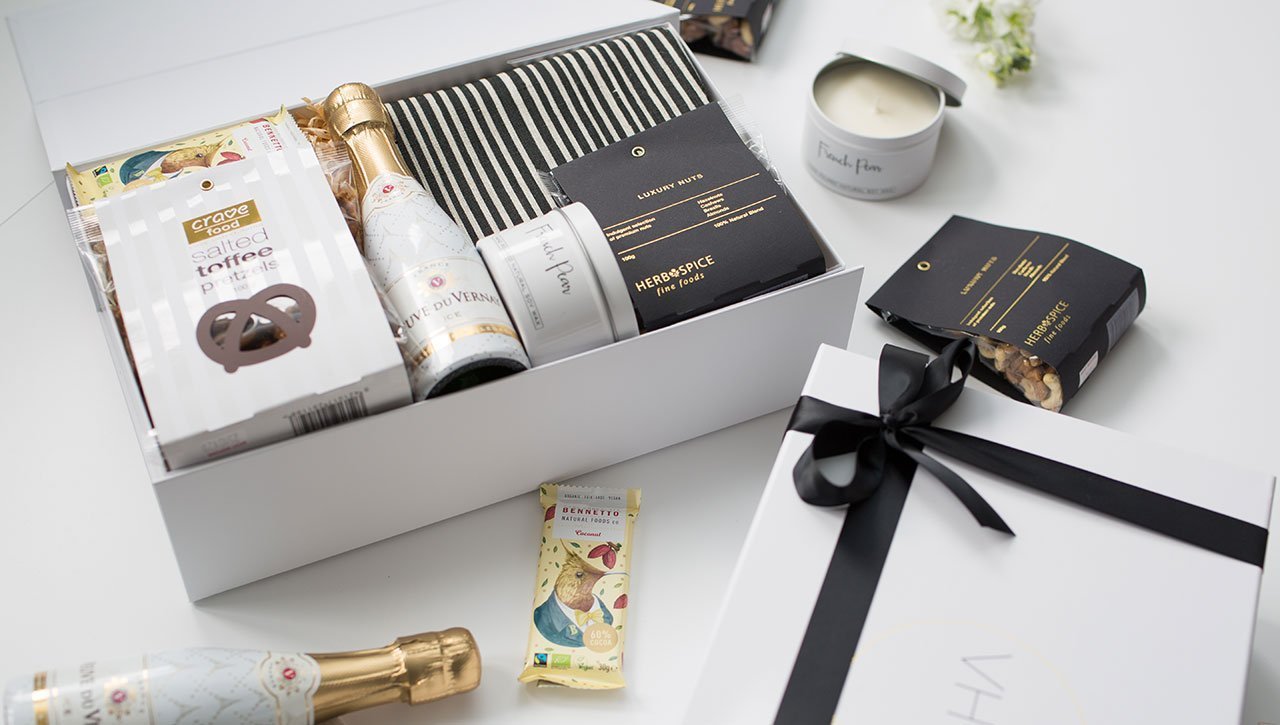
By thoughtfully considering size, material, color, functionality, and placement, you’ll discover that choosing a hamper for a minimalist interior is less about hunting for the perfect design and more about curating a harmonious balance. Let your hamper be the quiet hero that keeps your space organized, fresh, and effortlessly chic.